Two calendars
Two official calendars
One built from months, one from solstices and equinoxes. UK summer 14.59°C, winter 4.09°C, both 1991–2020.

The Met Office keeps two official calendars, and does not pretend they start on the same morning.
Meteorological seasons, as calendar months
Meteorological spring is 1 March to 31 May. [source] Meteorological summer is 1 June to 31 August. [source] Meteorological autumn is 1 September to 30 November. [source] Meteorological winter is 1 December to the last day of February. [source]
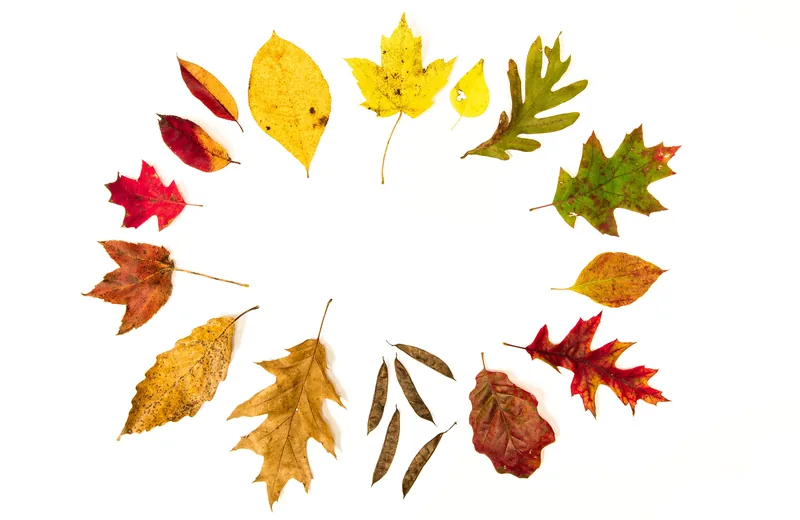
Astronomical seasons, from the sky
Astronomical summer, the Met Office summer page says, starts around 21 June and ends around 22 September. [source] Astronomical winter begins with the winter solstice, when the Sun is directly overhead the Tropic of Capricorn, usually around 21 December, and ends around 20 March; dates can shift because of the elliptical orbit. [source] Astronomical autumn begins with the autumn equinox, usually around 22 or 23 September. [source]
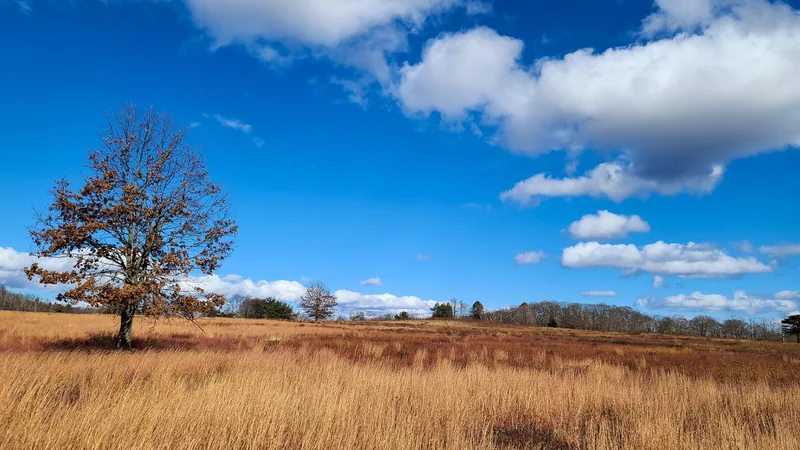
UK long-term averages, 1991–2020
The Met Office gives a UK summer long-term average of 14.59°C, and a UK winter long-term average of 4.09°C, both for 1991–2020. [source] [source] The shortest day is given as daylight lasting just 7 hours and 50 minutes — almost nine hours less than the longest day in summer. The earliest sunset is a few days before the solstice, because of how clocks align with the orbit. [source]
Enjoyed a desk of official tilts, unblended figures, and a few seasonal stills?
No pop-ups. No intrusive advertising. Just interesting stuff. A little support helps the next climates.im site get built.