Myths
Myths versus official wording
The surprising official fact is the winter that arrives when Earth is closest to the Sun.
Each myth is answered with official wording, not with a blended average.
Myth: we have seasons because Earth is closer to the Sun in summer
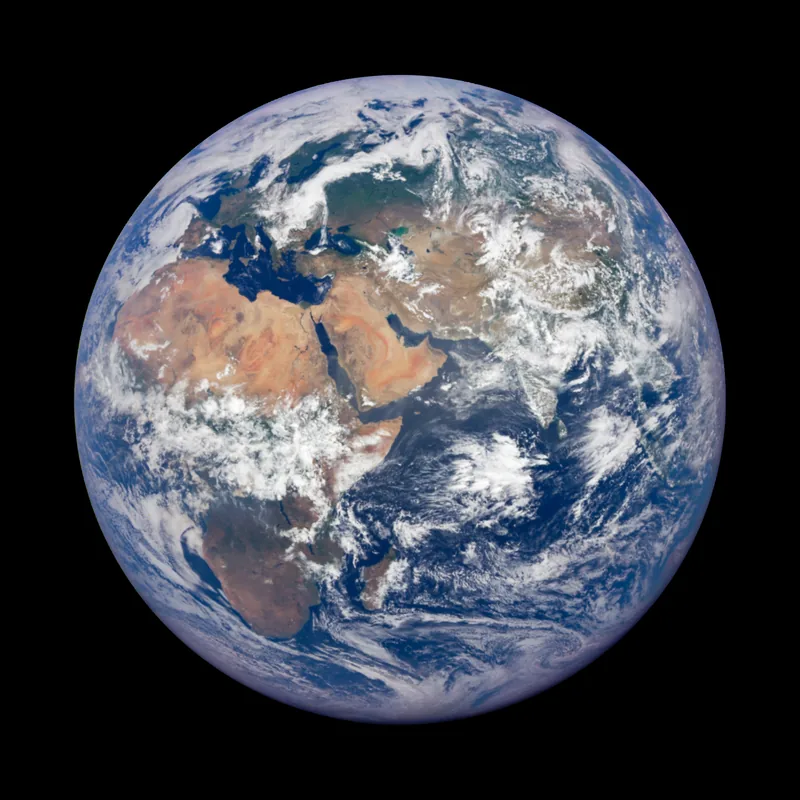
Fact: NASA Space Place says the Northern Hemisphere has winter when Earth is closest to the Sun and summer when farthest, and that this “just goes to prove that Earth's distance from the Sun is not the cause of the seasons.” [source] NASA’s Facts About Earth page gives the cause as a 23.4-degree tilt. [source]
Myth: every official source uses 23.4 degrees, exactly
Fact: Facts About Earth uses 23.4 degrees. [source] The Earth Fact Sheet uses 23.44°. [source] A NASA equinox resource uses 23.5 degrees. [source] This desk keeps all three.
Myth: the equinox is the one day when day and night are exactly equal
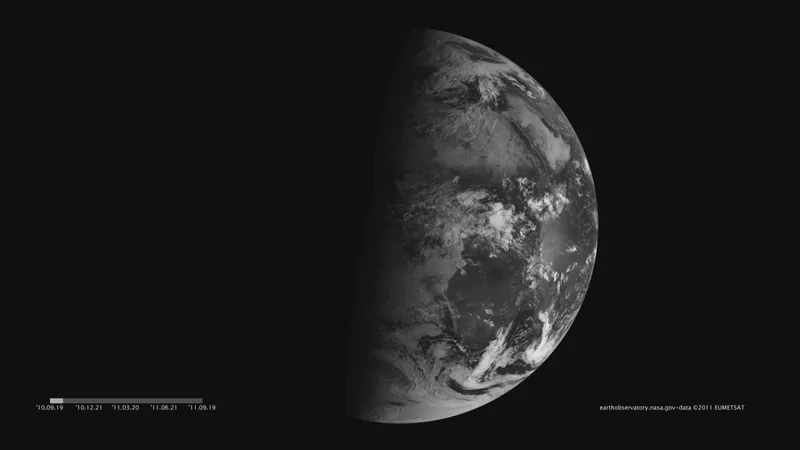
Fact: the Met Office says equinox means “equal night,” and that day and night are nearly equal. The exact equality is the equilux, a few days before the spring equinox and a few days after the autumn equinox. [source]
Myth: meteorological summer starts on the June solstice
Fact: meteorological summer, for the Met Office, is 1 June to 31 August. Astronomical summer starts around 21 June and ends around 22 September. [source] Both calendars are official; they are not the same calendar.
Myth: the earliest sunset is on the shortest day
Fact: the Met Office winter page says the earliest sunset is a few days before the solstice, because of how clocks align with the orbit. [source]
Enjoyed a desk of official tilts, unblended figures, and a few seasonal stills?
No pop-ups. No intrusive advertising. Just interesting stuff. A little support helps the next climates.im site get built.