Discoveries
Unusual official findings, and a typo that was left in the field notes.
23.4, 23.44 and 23.5 stay unblended. Winter arrives when Earth is closest. Exactly equal day and night is not quite the equinox.
Some of the oddest official facts about the seasons are not the colour of the trees. They are three official tilt figures, a winter at perihelion, and a day called equilux that is not the equinox.
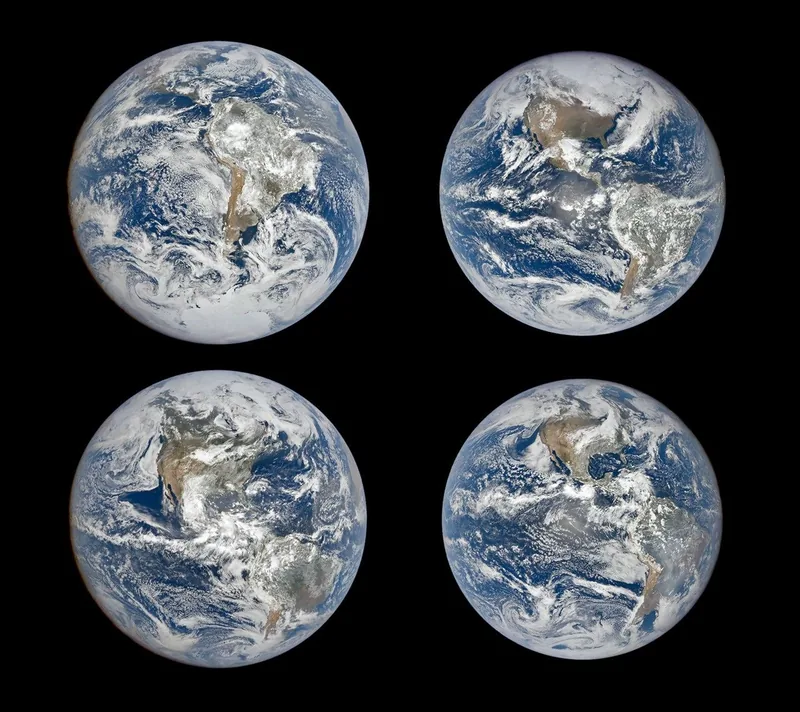
23.4, 23.44 and 23.5
Facts About Earth: 23.4 degrees. [source] The Earth Fact Sheet, 15 November 2024: 23.44°. [source] Seeing equinoxes and solstices from space: 23.5 degrees. [source] The discovery is that all three were opened, and none was quietly rounded into the others.
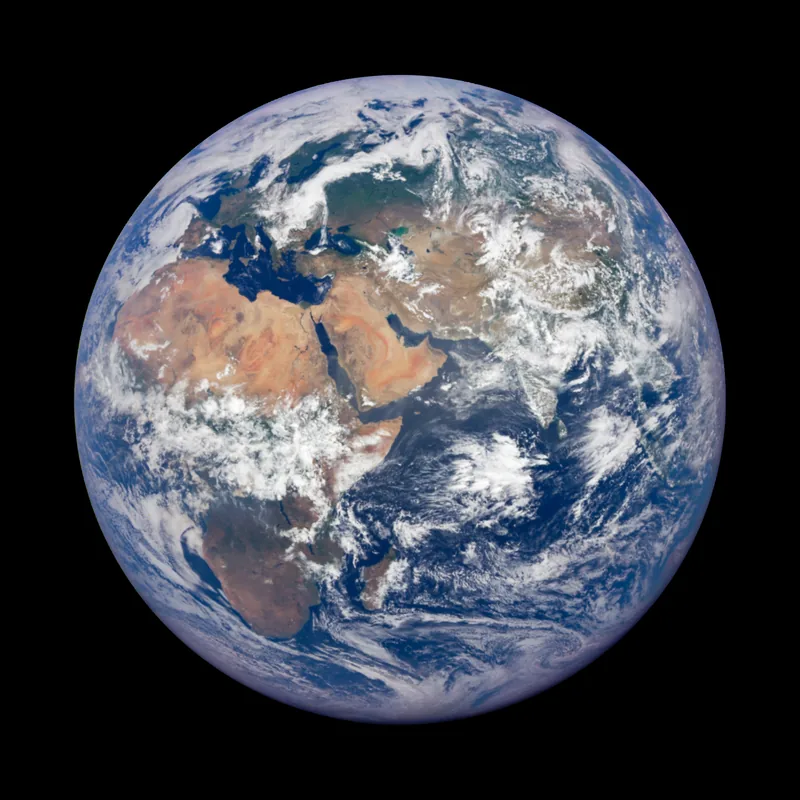
Closest, and cold
NASA Space Place puts Northern Hemisphere winter at perihelion, and summer at aphelion. Perihelion is 91,400,000 miles, in January; aphelion 94,500,000 miles, in July. [source] The Fact Sheet’s kilometres stay on their own line. The conclusion on Space Place is the one that still surprises people: “Earth's distance from the Sun is not the cause of the seasons.”
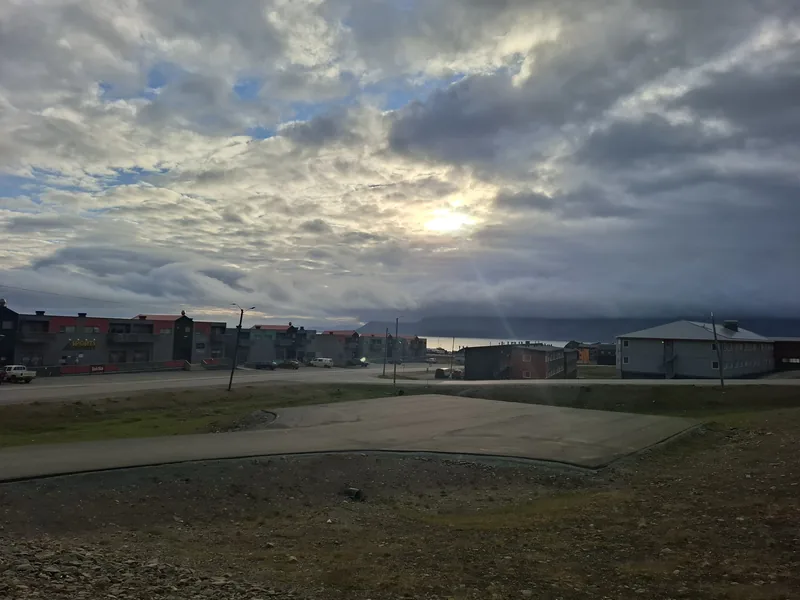
Exactly equal, a few days later
Equinox means equal night, and the Met Office says day and night are nearly equal. Equilux is the day they are exactly equal: a few days before the spring equinox and a few days after the autumn one, because of the Sun’s apparent size and atmospheric refraction. [source]
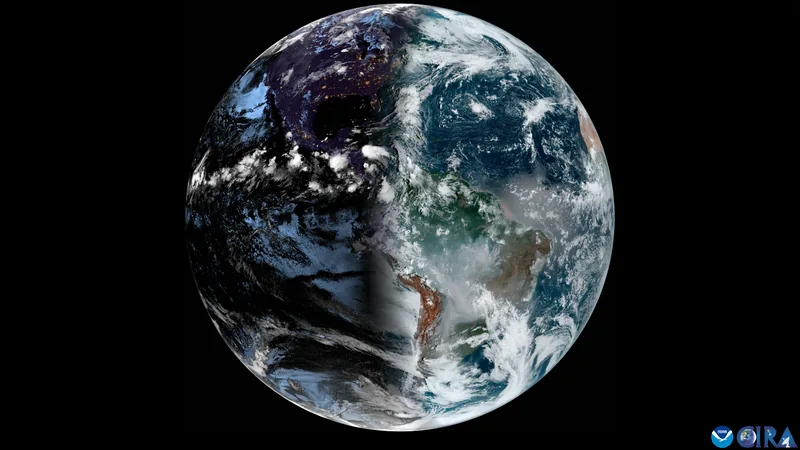
Earliest sunset, before the shortest day
The Met Office winter page gives the shortest day as 7 hours and 50 minutes of daylight — almost nine hours less than the longest day in summer — and then notes that the earliest sunset is a few days before the solstice, because of how clocks align with the orbit. [source]
A typo that was not promoted
A NASA Helio page on seasons on Earth and Mars was opened. It compares Mars’s 25.2-degree tilt with Earth’s 23.4. The same page also contains an apparent typo that puts summer as the hemisphere tilting away from the Sun. [source] That sentence is not used as the official explanation anywhere on this site.
Enjoyed a desk of official tilts, unblended figures, and a few seasonal stills?
No pop-ups. No intrusive advertising. Just interesting stuff. A little support helps the next climates.im site get built.