Seasonal lives
Animals that keep the calendar
Some animals leave for the winter, some sleep through it, and one leaves its children to be raised by strangers. Here is how three of them fit their lives around the seasons.
The swallow: there and back again
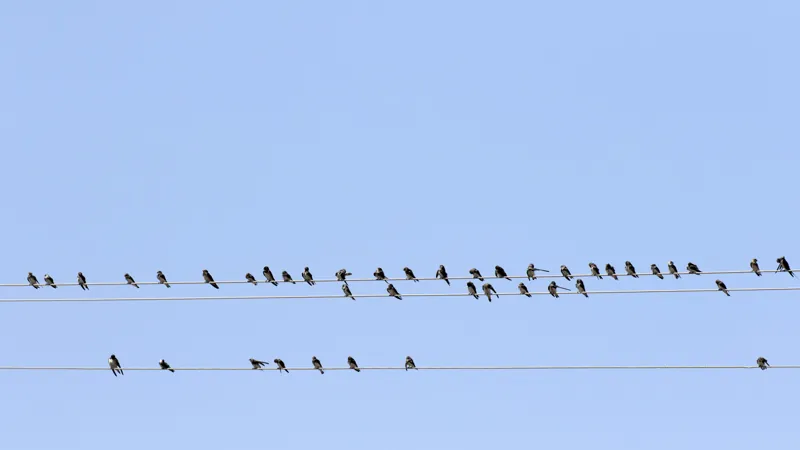
The RSPB says that each spring swifts, swallows, house martins and sand martins make “one of nature’s most epic journeys,” flying from Africa to Britain to breed. [RSPB] Swallows spend the spring and summer in the UK after wintering in South Africa. They gradually leave in September and October, and arrive in South Africa after six weeks of migration. [RSPB]
They are fast travellers. The RSPB says migrating swallows cover more than 200 miles a day, mainly in daylight, at speeds of 17 to 22 miles per hour. [RSPB] Before they go, large groups often gather on overhead wires and in reedbeds. [RSPB]
The legend of the swallows in the pond
People did not always know where swallows went. The RSPB says: “People used to believe that Swallows hibernated at the bottom of ponds over winter!” It adds: “Now we know that they fly all the way to Africa in autumn, before returning to our shores in spring.” [RSPB] The pond story is a legend; the African journey is the fact.
At home, swallows prefer open countryside full of flying insects, and rarely venture into towns. They build cup-shaped nests of mud in barns, sheds and other outbuildings, usually on a sheltered beam, ledge or joist. [RSPB] The RSPB adds that females prefer males with longer tail streamers, as it is believed they will pass on better genes. [RSPB]
The cuckoo: the early leaver
The cuckoo is the sound of spring for many people, but it does not stay long. The RSPB says cuckoos arrive in spring and lay their eggs from late April through June, using the nests of other birds. [RSPB] They are long-distance migrants, travelling between the UK and Africa each year. [RSPB]
Because other birds raise their young, the adults are free to leave early. Most leave during June for Africa, where they spend the winter. [RSPB] The chicks hatch after just 12 days and soon take all the food brought by the host. By the time a young cuckoo leaves the nest it is far bigger than its foster parent, which keeps feeding it for two more weeks. [RSPB] The young cuckoos leave later, once they are fully fledged, long after most of the adults have gone. [RSPB] In the UK the cuckoo is on the Red list for conservation. [RSPB]
The hedgehog: winter on low power
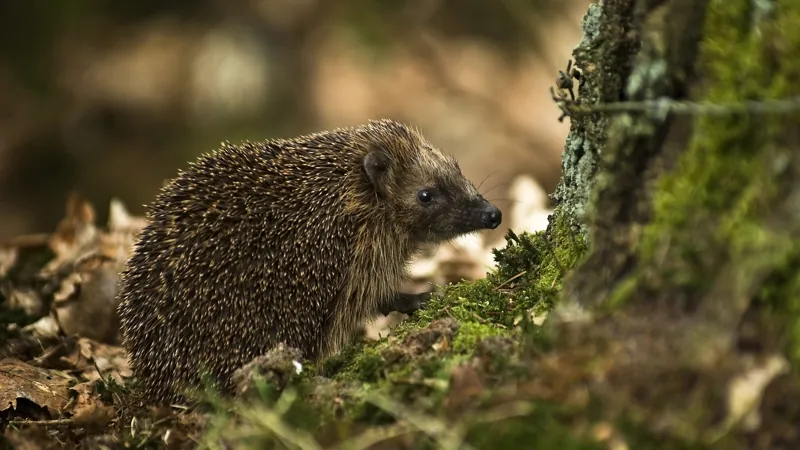
Hedgehogs take the opposite approach: they stay and switch off. Hedgehog Street, run by the People’s Trust for Endangered Species and the British Hedgehog Preservation Society, says hedgehogs are “one of the few mammals that are true hibernators.” [Hedgehog Street]
They are not really asleep. During hibernation, hedgehogs drop their body temperature to match their surroundings and enter a state of torpor. [Hedgehog Street] They usually hibernate from October or November through to March or April, but in mild winters they can stay active well into November and December. [Hedgehog Street]
All winter they live on the fat they built up over the summer, which is why eating enough before hibernation is vital, and why extra feeding can help. [Hedgehog Street] In other words, a hedgehog’s winter depends on how well it ate in the summer.
Seasons on the move
All three animals answer the same problem in different ways: winter in Britain is short of insects and short of warmth. The swallow and the cuckoo follow the Sun to Africa; the hedgehog turns itself down. The dates they come and go are exactly the kind of records that the phenologists on nature’s calendar have been writing down since 1736. [Woodland Trust]
Asleep or not? It is tempting to call hibernation a long sleep. Hedgehog Street says hedgehogs “are not really asleep”: their body temperature drops to match their surroundings. [Hedgehog Street]
Enjoyed a desk of official tilts, unblended figures, and a few seasonal stills?
No pop-ups. No intrusive advertising. Just interesting stuff. A little support helps the next climates.im site get built.