Seasons and you
Seasons and your body
The seasons change more than the weather. Daylight, sunshine and pollen all rise and fall through the year, and the NHS has advice on each. This page is general information, not medical advice.
Winter blues: seasonal affective disorder
Seasonal affective disorder, or SAD, is a kind of depression linked to the seasons. The NHS says its main symptom is depression that happens in the winter and goes away in the summer. Some people have symptoms in summer instead, but this is less common. [NHS]
The cause is not fully known. The NHS says it is thought to be linked to reduced daylight in winter, which may change brain chemicals such as melatonin and serotonin that affect mood and sleep patterns, the body’s circadian rhythm. [NHS] Symptoms listed include low mood, losing interest in things, feeling more tired, sleeping more, and being hungrier than usual. [NHS]
Treatments include antidepressants, talking therapies and light therapy. [NHS] The NHS advises seeing a GP if you think you might have SAD, or if treatment is not helping. If you are 18 or over (or 16 or over in some areas), you can also refer yourself to an NHS talking therapies service without a GP referral. [NHS]
Please note: this site is about the science of seasons. If you are struggling, the NHS page on SAD lists where to get help, including urgent help. [NHS]
Vitamin D: a sunshine vitamin with a season
Your body makes vitamin D from direct sunlight on the skin when you are outdoors. The NHS says that from about late March or early April to the end of September, most people should be able to make all the vitamin D they need from sunlight. [NHS] But between October and early March, “we do not make enough vitamin D from sunlight.” [NHS]
That is a direct effect of the seasons. In winter the Sun is lower in the sky and the days are shorter, as explained on why we have seasons. The NHS says children from the age of one and adults need 10 micrograms of vitamin D a day, which is the same as 400 IU, and that everyone should consider a daily 10 microgram supplement during autumn and winter. [NHS]
Hay fever: the pollen months
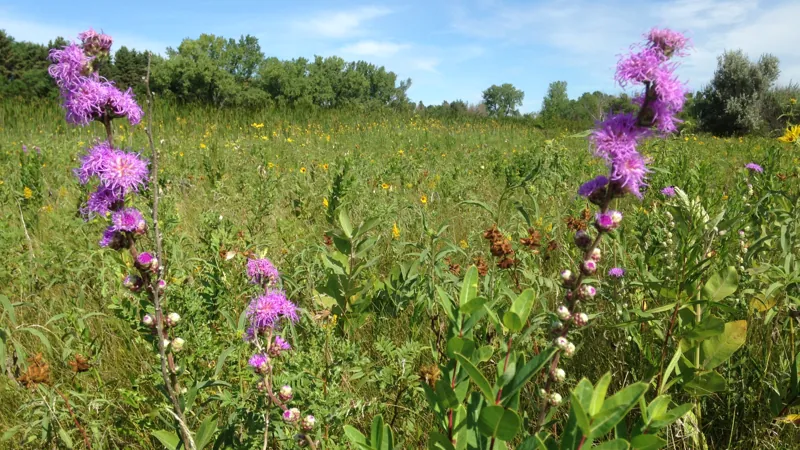
Summer has its own health story. Hay fever is an allergic reaction to pollen, the fine powder that plants produce, usually when it gets into the mouth, nose, eyes and throat. [NHS] The NHS says symptoms are usually worse between late March and September, especially when it is warm, humid and windy, because that is when the pollen count is highest. [NHS]
The symptoms include sneezing and coughing, a runny or blocked nose, itchy and watery eyes, an itchy throat, headache and feeling tired. [NHS] The NHS suggests simple steps when pollen is high, such as putting petroleum jelly around your nostrils, wearing wraparound sunglasses, showering and changing after being outside, and keeping windows shut. [NHS]
The same months, both ways
Look at the dates side by side and the year splits neatly in two. From late March to September the NHS says most people make enough vitamin D, and that is also when hay fever is usually worst. [NHS] [NHS] From October to early March the vitamin D runs short, and that is the season of SAD’s winter pattern. [NHS] [NHS] The tilt of the Earth, it turns out, reaches all the way into the medicine cabinet.
Daylight at the extremes
Farther north the swing is far bigger. NASA says the High Arctic can have almost 24 hours of daylight in midsummer, or almost 24 hours of darkness in midwinter. [NASA] Its Earth Observatory notes that Utqiaġvik, Alaska, far above the Arctic Circle, has 84 days without a sunset each summer. [NASA Earth Observatory] The solstice page explains why.
Enjoyed a desk of official tilts, unblended figures, and a few seasonal stills?
No pop-ups. No intrusive advertising. Just interesting stuff. A little support helps the next climates.im site get built.