Seasons you can see
Nature’s calendar
The calendar says spring starts on a set date. The hawthorn, the frogs and the swallows have their own ideas. Writing down when they happen is a science with a long British history.
A word for it: phenology
Writing down when things happen in nature is called phenology. The Woodland Trust’s Nature’s Calendar, the UK Phenology Network, asks people to record events “from leaf buds bursting to blackberries ripening”, and says they are adding to a biological record that goes back as far as 1736. [Woodland Trust] [Woodland Trust] It even asks: “Have you seen your first butterfly or swallow of the spring?” [Woodland Trust]
It is old. Nature’s Calendar says that in Japan and China the blossoming of cherry and peach trees is linked to ancient festivals, and that some of those dates can be traced back to the eighth century. [Woodland Trust]
Robert Marsham, Britain’s first phenologist
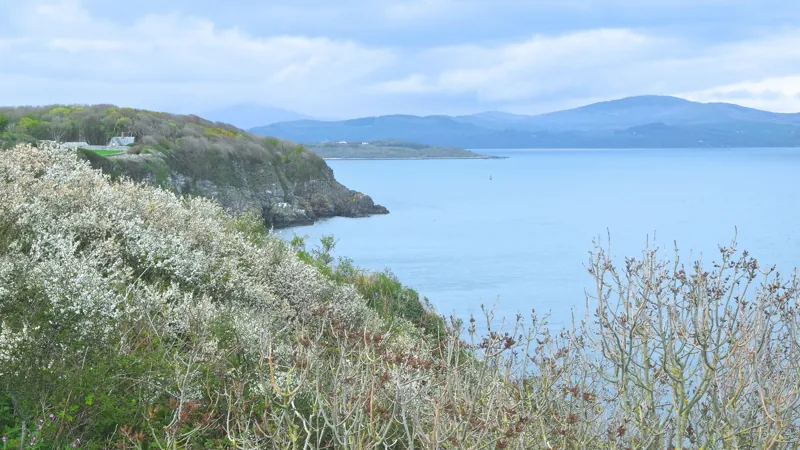
In Britain the story starts with one man in Norfolk. Nature’s Calendar calls Robert Marsham “the founding father of phenology in the UK.” He began recording spring species and events in 1736 on his family estate near Norwich. [Woodland Trust] He kept going for decades, noting some 27 natural events for more than 20 animals and plants. [Woodland Trust] His list was called his “Indications of Spring.” [Woodland Trust]
The records outlived him. Marsham died in 1797, and Nature’s Calendar says his records did not stop with his death. [Woodland Trust] That is what makes them precious: a long, steady series of dates from one place, against which modern springs can be compared.
Sixty-one or sixty-two years? One Nature’s Calendar page says Marsham recorded “for the next 62 years” from 1736; another says he recorded between 1736 and his death in 1797. [Woodland Trust] [Woodland Trust] 1736 to 1797 is 61 years, so the two pages differ by one. Both are quoted as written.
The Victorian network, and a 50-year gap
Between 1875 and 1948 the Royal Meteorological Society ran a national network of recorders. In 1899, for example, there were 155 phenological observers sending in records. They were asked to record the flowering of 13 plants and the appearance of birds and insects. [Woodland Trust]
Then it stopped. From 1948 until 1998 there was no organised recording, until Tim Sparks, a research biologist at the Centre for Ecology & Hydrology, started a pilot scheme designed to fit with the old records and with international schemes. [Woodland Trust] In autumn 2000 the Woodland Trust joined forces with the Centre for Ecology & Hydrology, and since then thousands of people across the UK have taken part. [Woodland Trust]
One of the longest-running private diaries belongs to Jean Combes OBE, who started her phenological records in 1947, the year before the old network ended. [Woodland Trust]
Signs of the seasons
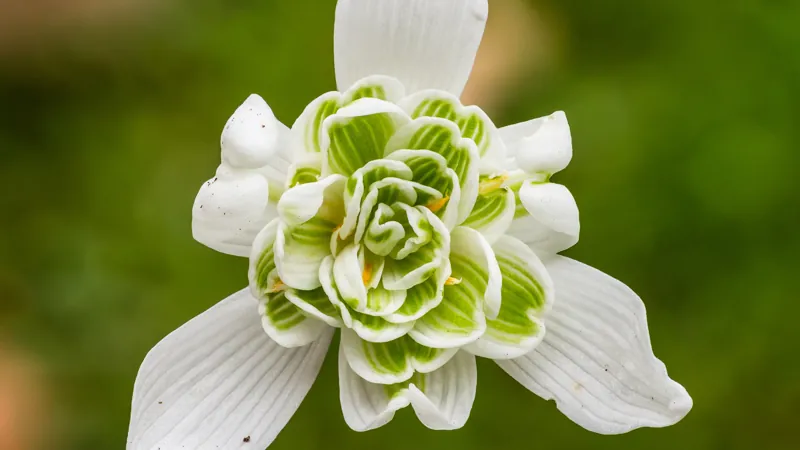
Phenology is about noticing. The Met Office’s guide for schools describes spring as one of the easiest seasons to notice “as it changes from winter – the days get longer and warmer.” [Met Office] It adds that spring weather is often calm and dry, but with big differences between day and night temperatures, because the ground has not yet had a chance to store up heat from the Sun. [Met Office]
The Victorian observers were asked to record the flowering of 13 plants; today Nature’s Calendar says the plants, animals and fungi it asks about were chosen to help show how nature is affected by weather and climate change. [Woodland Trust] [Woodland Trust] The photographs on this page each carry the date they were taken: a snowdrop on 12 February, hawthorn blossom on 28 April, beech leaves in November. A date beside a sighting is all a phenologist needs.
Autumn too
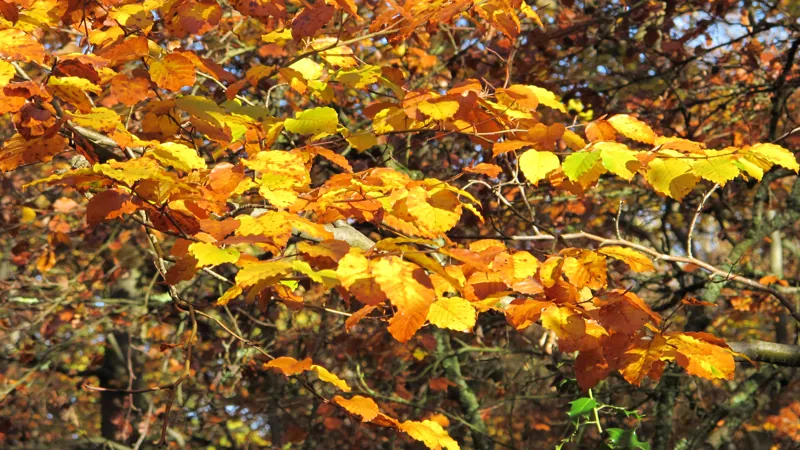
Phenology is not just spring. Autumn has its own markers, such as leaves turning and falling, and birds leaving. The RSPB says that as autumn approaches, large groups of swallows often gather on overhead wires and in reedbeds before heading south to Africa. [RSPB] For more on the birds and animals that time their year by the seasons, see animals that keep the calendar.
Two calendars, one nature
The Met Office points out that the equinox marks an astronomical change of season, which is slightly different from the meteorological seasons it uses. [Met Office] Nature follows neither exactly: a warm February brings flowers early whatever the calendar says. This site explains both official calendars on two official calendars.
Join in: anyone in the UK can add their own sightings to Nature’s Calendar, the UK Phenology Network. [Woodland Trust]
Enjoyed a desk of official tilts, unblended figures, and a few seasonal stills?
No pop-ups. No intrusive advertising. Just interesting stuff. A little support helps the next climates.im site get built.